
🔄
30-Day Return Privilege
Experience it with confidence. Return within 30 days if it’s not the right fit.
🛡️
12-Month Product Assurance
A full year of professional protection for long-term reliability.
🎯
Individually Calibrated
Each unit is expertly calibrated before shipping for guaranteed precision.
🚀
Fast Global Shipping
Secure worldwide delivery with full end-to-end tracking.

Elliot –
Fast, convenient, and tiny.
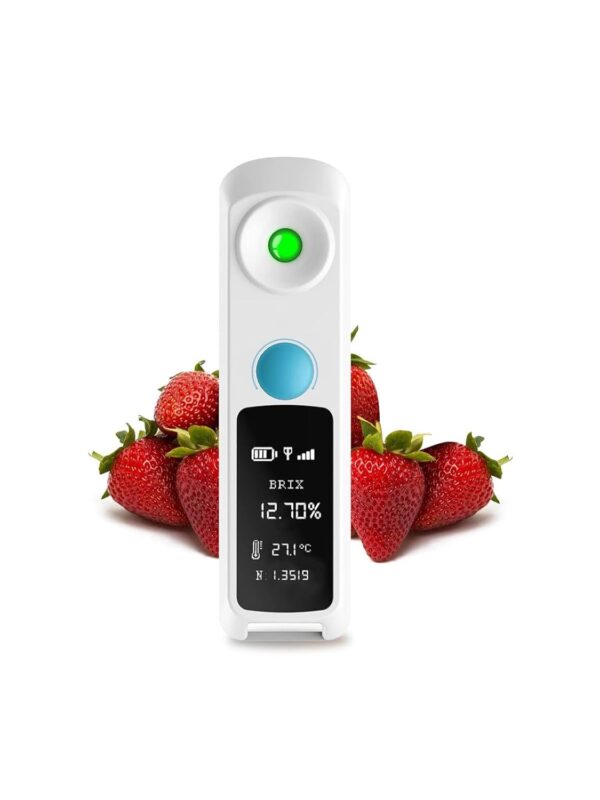
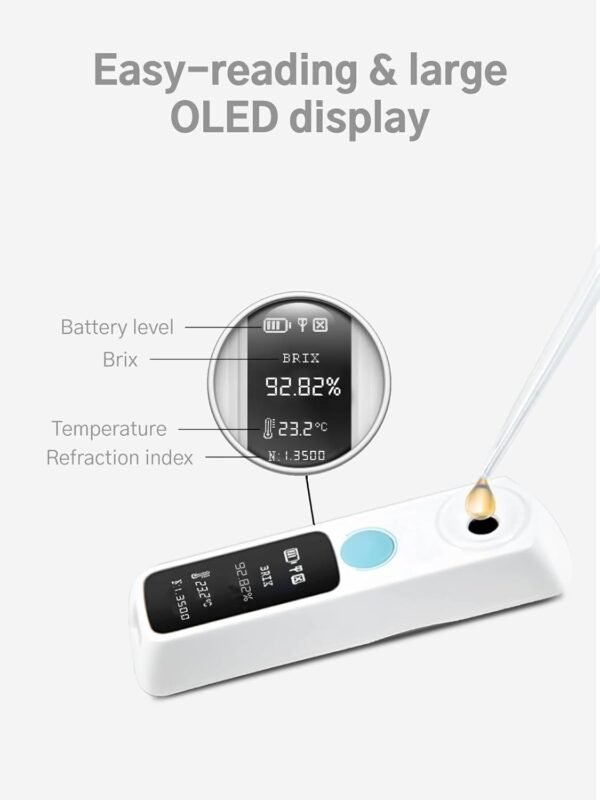
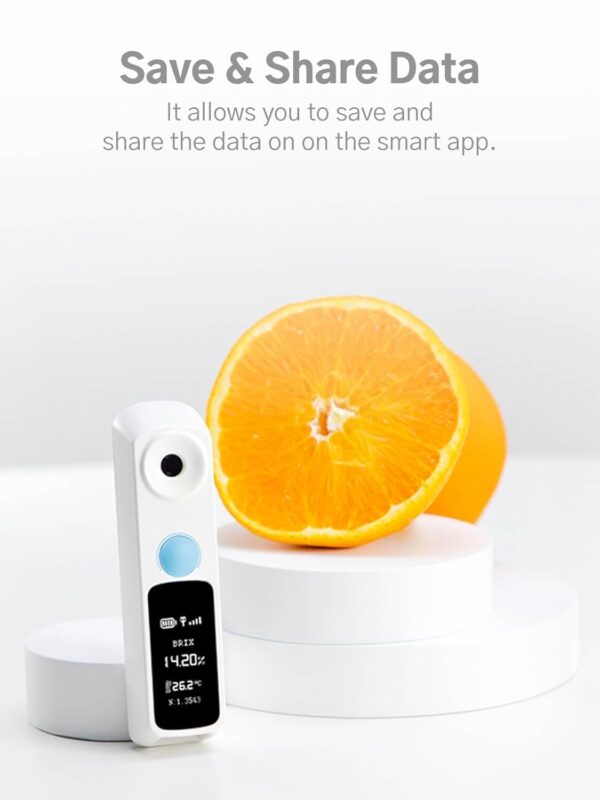
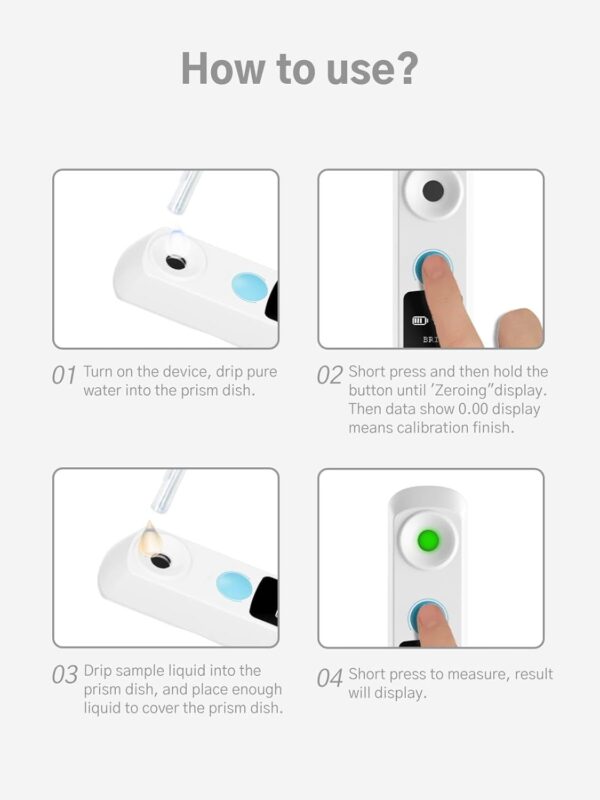
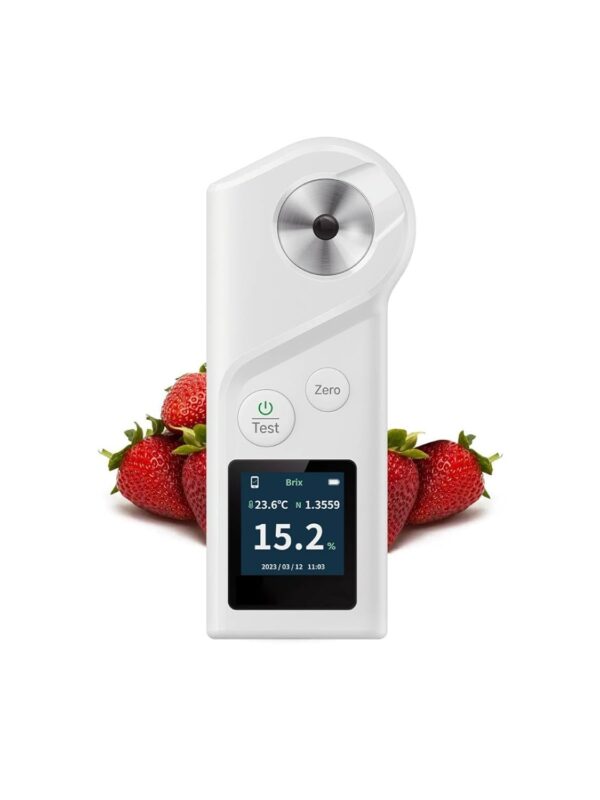
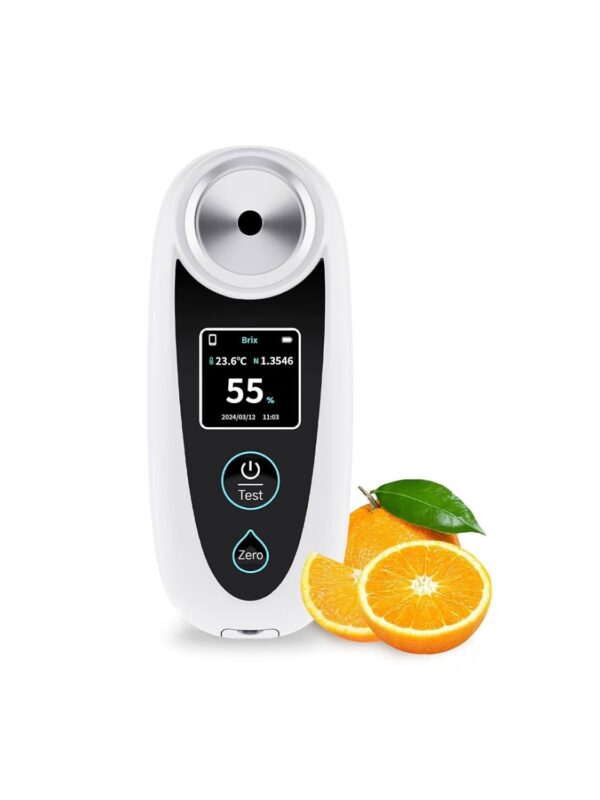
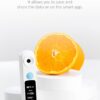
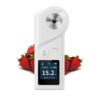
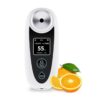
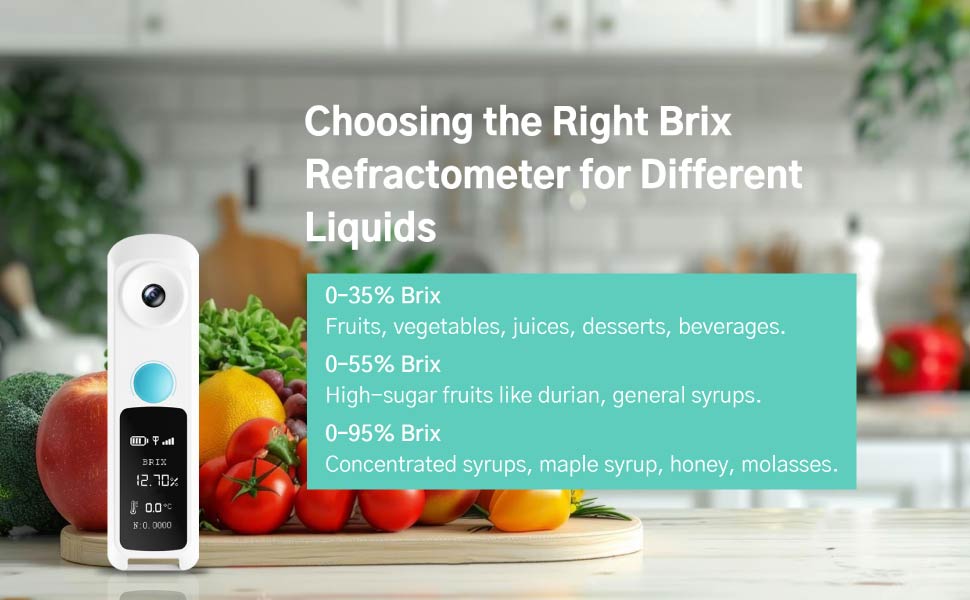
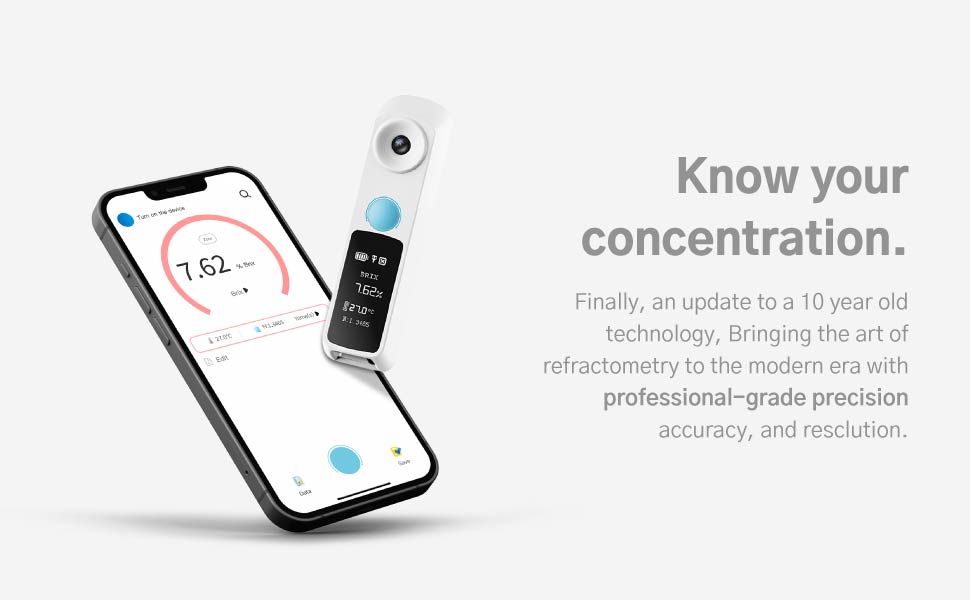
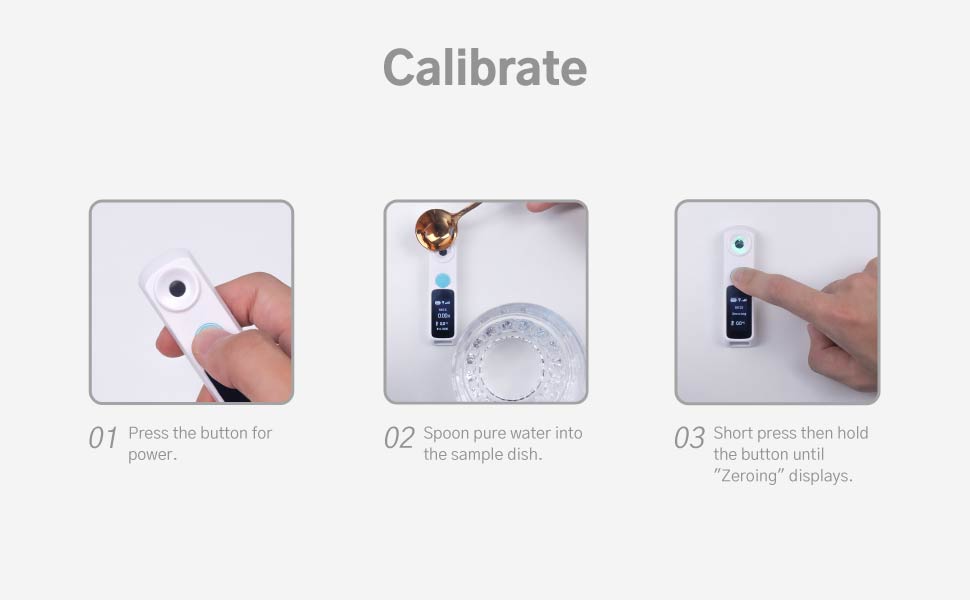
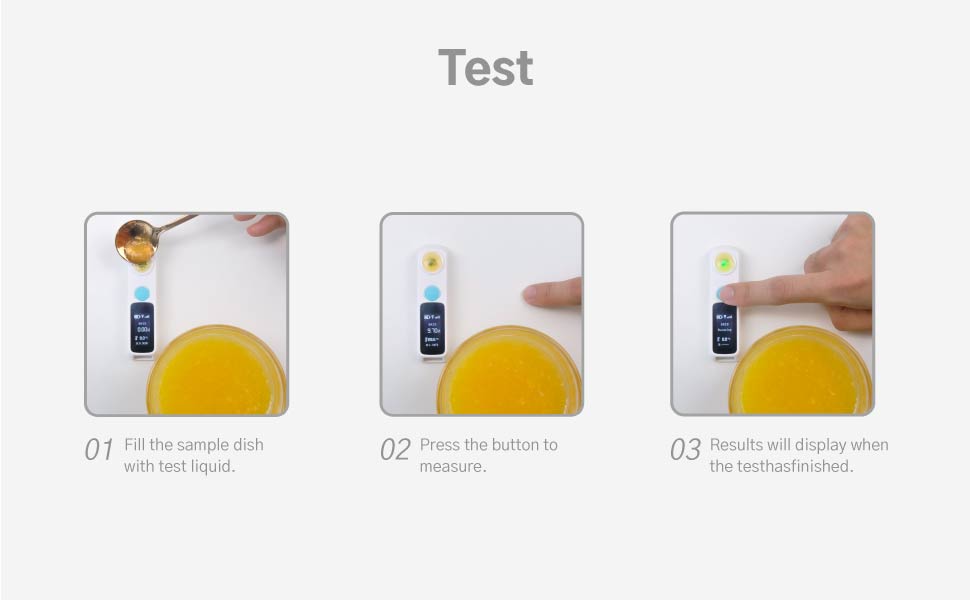
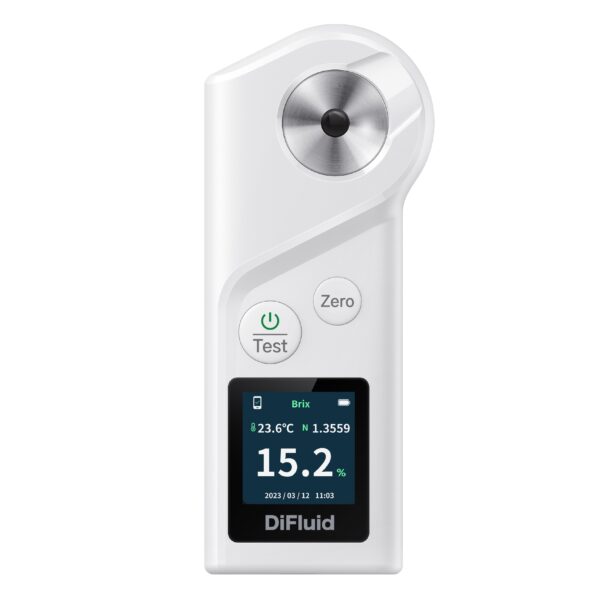
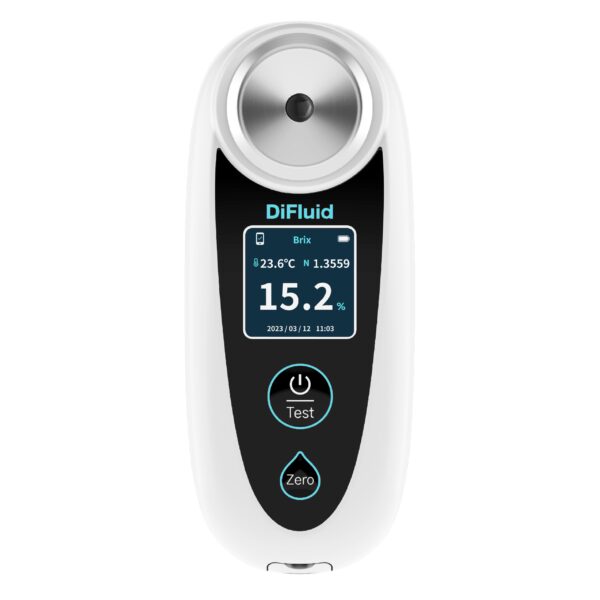
This is a pretty cool little digital refractometer. I’m a homebrewer and technically, I didn’t need this. I already have the standard floating glass hydrometer, along with all the accoutrements. And, I have an analog handheld refractometer. Each has their ideal usage scenario, though lately I’ve largely been solidly in camp refractometer. I like this even more than my handheld analog refractometer. It is so small and light, it’s easy to toss it on a lanyard and wear it around your neck, so you always have it within reach. It takes an even smaller sample size than the regular refractometer and you get a reading in under a second. Using my old analog handheld unit, I’d have to fiddle a bit with the focus, find a good light source to point it at (a challenge when brewing in the basement) and take a reading that was often a bit of an estimation, since haze in the sample tends to make the line fuzzy. Here, I just put a drop on and press the buttom. Boom, it’s done in less time than it took to type the first word. Way easier to read the result than it is with the mechanical one. Measures in Brix in big numbers, with temp in celcius below that, and for what it’s worth, refractive index is displayed in small numbers at the bottom. Along the top, the charge and connectivity status is displayed. Calibration is just as easy as reading a sample. There is but a single button to press and a second long press of the button sends you into calibration mode. Take a few seconds to calibrate against distilled or tap water and off you go. I do still need to run it through the calculations for the wort correction factor. But, that’s not much of a chore and it’s something one needs to do for all refractometers. One interesting and nice feature is that there is a companion app and the device connects via Bluetooth LE. It’s obviously very much geared towards coffee brewing. It’s a beta release and it’s unclear how much utility I’ll get out of it. You can select pour-over or expresso, beans, grind, record profiles, and quite a bit more. With the app being very coffee-focused, I’m not certain how much I’ll actually use it for homebrewing, but it’s a nice addition and should give me a record of measurements. That is, if I can figure out how to use it. To me, it’s not at all intuitive and I don’t see any obvious way to send data to the app. But, it let’s you know the battery %, which is helpful, as the display on the device itself is just your basic for bar battery graphic. Price-wise, it’s certainly not the cheapest digital unit available, but I think it’s priced appropriately. Less expensive ones seem to have a lower precision than this unit (0.2% vs. 0.1%). And, that tiny form factor has really grown on me. It may be one of the smallest and lightest units out there. I don’t think you can find that combination of features for less. If I had to wish for anything, I guess I’d wish that the companion app was as useful for other uses as it seems to be for coffee and that there were better instructions for the app. I’m sure it should be sending data, but as yet I can not figure it out. And, I do wish that it read out in specific gravity as well as brix. But, the conversions are easy to run, so it’s not a big deal to me. All in all, I’m pretty happy with the device. I just have to figure out how to make good use of the companion app for my purposes and I’ll be a very happy camper indeed.
Eric Roughtvedt –
Small digital refractometer works well
Jesse –
So Easy to Use
Couch Potato –
Tiny and easy to use
Allen –
Handy, fast, app is nice, checks all the boxes
Kristina –
Effective!
My husband is a professional brewer who also enjoys homebrewing for fun, and I thought this would be a helpful tool for him to use at home. He took it into work to test out and compare it to some more expensive models. He found that it needed to be calibrated several times with water, and he followed the simple directions easily. Once calibrated, the results were comparable to an analogue refractometer and a larger digital model. This model is ideal for homebrewers who have the time to calibrate and are looking for a more affordable way to check the starting gravity of their wort.